Posts Categorized: Process

June 7 | Scratch & Press: A Three-Part Youth Printmaking Series

For ages 11–14 · 3 sessions · All skill levels welcome
Sundays 9am-12pm (June 7, 14, and 21)

Get your hands inky and your prints analog. Over three sessions, you’ll explore three completely different printmaking traditions — each with its own tools, materials, and magic. From screen printing your own wearables on day one, to scratching metal plates and pulling intaglio prints, to running paper through a letterpress — this series is designed for curious, bold makers who want to learn how images are made.


Session 1
June 7 9am-12pm
Screen printing — wear your work
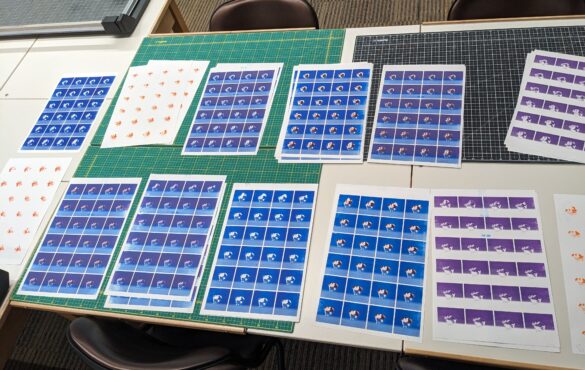
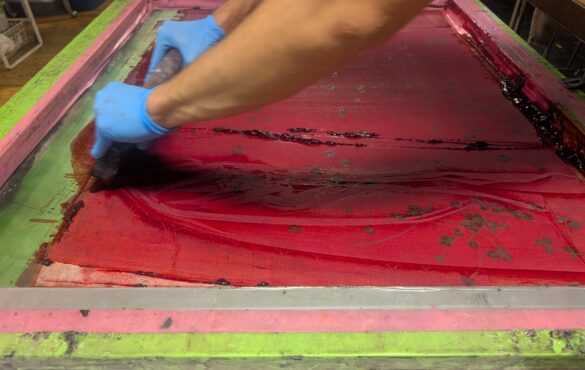
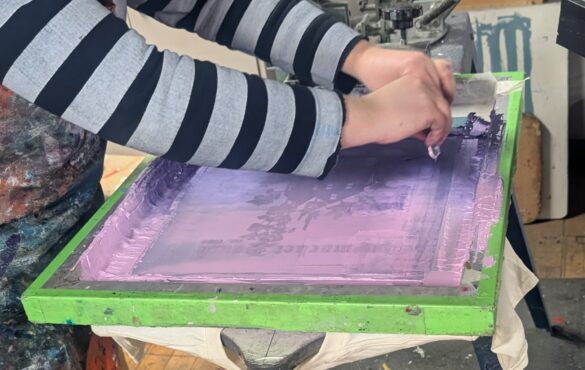
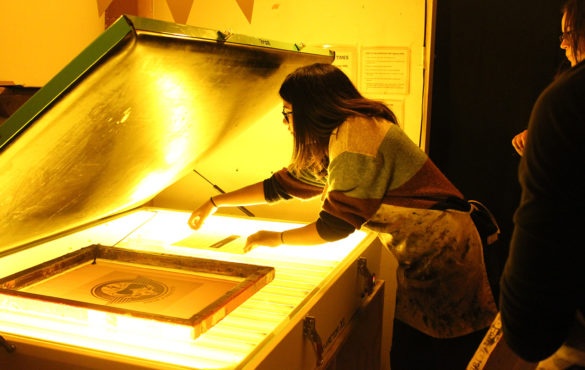
Start by screen printing an apron you’ll use for the rest of the series — then keep the press warm with t-shirts, tote bags, and whatever else you bring to print on. You’ll learn to expose a photographic screen, mix custom ink colors, and pull clean prints through the mesh. Walk away with wearable art.


Session 2
June 14 9am-12pm
Drypoint etching — scratch, score, and print

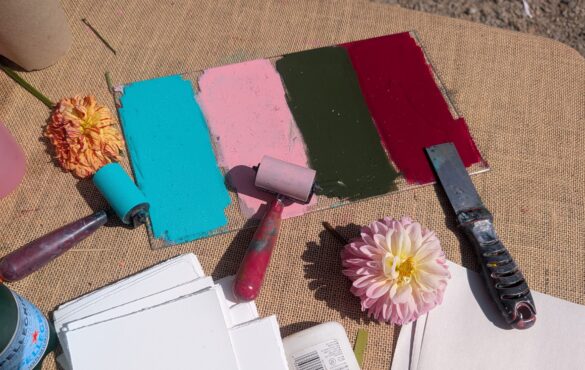
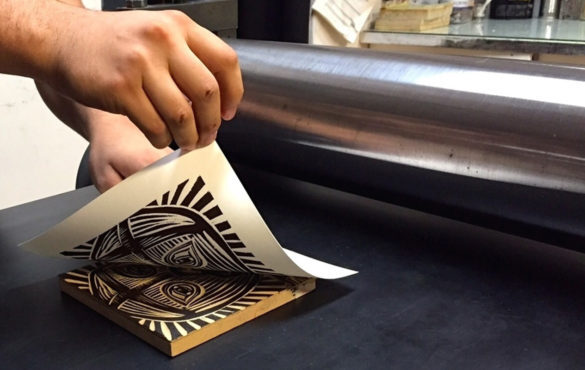
Learn the fundamentals of intaglio printmaking by drawing directly onto a metal plate with a steel needle. Drypoint is immediate and expressive — the burr your tool raises holds ink in ways that produce rich, velvety lines unlike anything you can get from a brush or pen. You’ll learn plate wiping and printing technique, and leave with a finished plate and a set of prints.


Session 3
June 21 9am-12pm
Letterpress — texture, pressure, and the printed page

Finish the series on a machine that shaped the modern world. Using stencils and low-relief collages — cut paper, string, netting, plant material — you’ll create richly textured prints by running them through a letterpress cylinder. The varying thickness of your materials determines how much ink transfers to the page, producing nuanced, one-of-a-kind impressions up to 19″ × 25″. Experiment with hand inking and multi-layer compositions to tell a story, build an illustration, or just see what the press can do. 


June 7 | Design for Print: Containers — Presenting Your Work Through Box Building

Presentation is not packaging — it’s a critical design decision, the one that determines how a body of work is first encountered and held. For printed matter especially, the container is an extension of the object itself: it sets expectation, establishes care, and frames everything inside it. 

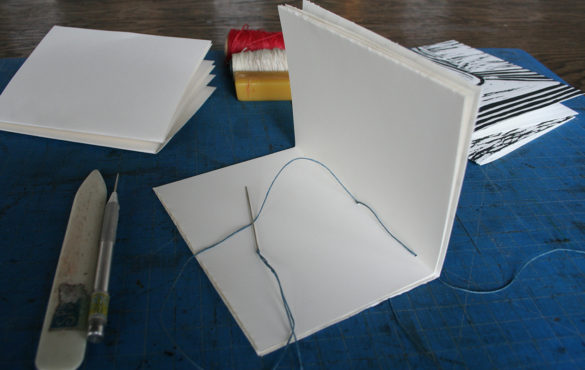
This workshop, led by Amira Hegazy, focuses on the design and construction of custom enclosures to explore how structure, material, and proportion work together to create objects worthy of what it holds. Participants will build their own boxes by hand, developing both the technical vocabulary and the design sensibility to think about containment as an intentional act. We will discuss how engineering containers go hand in hand with print design preparation and consider how the design and fabrication process are inseparable. Essential for designers working with product development, book editions, print portfolios, or any work where the experience of receiving matters as much as the work itself.

This is the fourth workshop in the Design for Print sessions with Amira Hegazy

This workshop series is built for designers and other digital image makers to translate their digital skills to physical making. We will take specific elements of the design process and decode them to print processes. We will highlight historical and theoretical elements that have woven through design practice from days of physical production to our digital workspaces. Expect to leave each workshop feeling more knowledgeable about your day-to-day design workflows and how to realize your designs through hands-on print practices at Spudnik Press. 


Note: Each workshop in this series is enrolled individually. You can register for a single workshop or sign up for the full series.

Amira Hegazy is a Chicago-based designer, printer, bookmaker and educator whose work lives at the intersection of print, publication, and community. This four-part workshop series is designed specifically for graphic designers looking to deepen their print knowledge — from file setup to finished object.

June 8 | Intro to Screenprinting (4 Weeks)

Screenprinting is an art form known for its bold graphics and versatility. It is approachable, yet has many facets to explore and master. This foundational class introduces all the basic skills to get someone new to the process up and running, creating art on both paper and fabric.

A selection of projects will give students the opportunity to produce prints from hand drawings, digital designs, and photographic or found imagery. Students will become familiar with the full process — from selecting the right screen, to darkroom exposure, ink mixing, printing, and reclaiming screens. With support from an experienced printer, students will practice printing and, equally important, troubleshooting.

By the end of this class, students will know their way around the print shop and be authorized to print independently through Spudnik Press’s Open Studio program.

June 8 | Intro to Intaglio, Etching (6 Weeks)

Please note that this class does not meet on June 22, so willl conclude on July 20.

Intaglio printmaking emerged in Europe well after the woodcut print, with the earliest known surviving examples being undated designs for playing cards made in Germany, using drypoint technique in the late 1430s. Engraving had been used by goldsmiths to decorate metalwork, including armor, musical instruments and religious objects since ancient times. Scholars and practitioners of printmaking have suggested that the idea of making prints from engraved plates may well have originated with goldsmiths’ practices of taking an impression on paper of a design engraved on an object, in order to keep a record of their work, or to check the quality.
In our 6-Week Intro to Intaglio course, beginners to experienced students will benefit from learning etching techniques, drypoint techniques, and plate wiping techniques as they move onto familiarizing themselves with intaglio printing. By the end of the multi-week class, students will finish an etching with multiple proofs of their plate in various stages.

With the completion of this class, students will not only produce an edition of prints that reflect the skills built throughout this class but receive authorization in etching at Spudnik.

June 10 | Two Color Tees (2 Weeks)

In this two-week course, students learn the ins and outs of the t-shirt press — how to set it up, load and secure a garment, mix and set ink, and register two colors for a clean, layered print. Getting layers to line up correctly is one of those skills that makes a huge difference in the finished product, and this course breaks it down so the whole process feels approachable and repeatable.

Working directly on t-shirts, you’ll spend real time at the press getting comfortable with the equipment and the workflow. You’ll learn how ink behaves on fabric, how to mix a custom color, and how to get consistent results across multiple prints. Registration — the process of aligning your second color precisely to your first — gets dedicated attention so you leave with a clear understanding of how to nail it every time.

Students will leave with finished printed tees and full authorization to use the screenprinting studio independently, so you can keep coming back and making.


Please note: The start of the class has been moved from June 3 to June 10. (Note: Your payment confirmation may reflect the original date).

June 18 | Letterpress Posters (4 Hours)

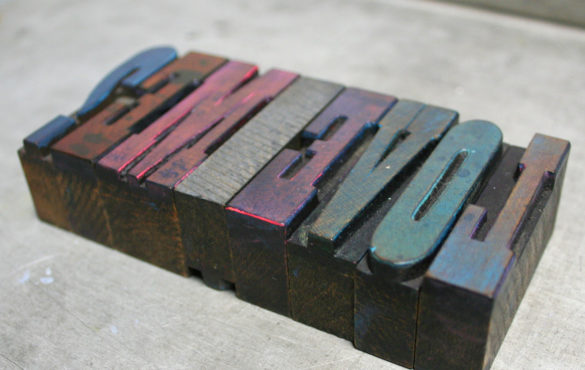
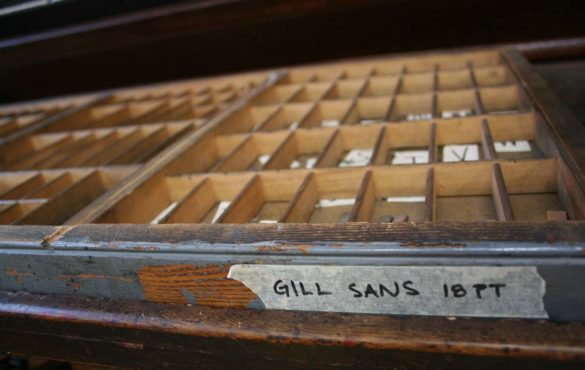
Join us for this fun, social workshop to see what letterpress printing is all about. During this workshop, you’ll be able to design and print your own poster using vintage type and a traditional Vandercook press. The rich, tactile quality of ink pressed into paper will leave an impression on the lucky recipients of your handmade cards!

Each attendee will be able to choose from a variety of fonts in our collection. With these fonts, they will learn how to set and print their own short saying, phrase, or statement to create a professional one-of-a-kind poster. Our Teaching Artist will share what moveable type is, how it works, why it’s so special, and how its invention changed the world.

This one-day workshop combines an overview of letterpress printing and its unique history with hands-on making. It is a great way to try out a new craft and find out if you would love to learn the full process.

June 23 | Intro to letterpress (8 Weeks)

This course is the perfect introduction to letterpress printing. From its creation by Johannes Gutenberg in the mid-15th century until the 19th century, letterpress printing was the norm for printing text. Its use persisted in books and various applications until the late 20th century.

Letterpress printing evolved from simple platen presses, where paper was pressed onto an inked form, producing beautifully imprinted text and images. Over time, the flat platen was replaced by a roller in the flat-bed cylinder press, streamlining the process.

This course is the perfect introduction to letterpress printing, a centuries-old process that shaped the history of printed language. From its invention by Johannes Gutenberg in the 15th century through its continued use into the 20th century, letterpress has remained a powerful and tactile way to print text and images.

Over Eight weekly sessions, students will learn the fundamentals of letterpress printing, including hand-setting metal and wood type, understanding inks and paper, and safely operating platen presses. Instruction covers composing with a stick, adjusting letter and word spacing, building type forms, and printing with consistent impression. Students will also learn essential press skills such as locking up in a chase, basic make-ready, registering multiple layers, and proper press cleanup.


This hands-on class is ideal for creatives, designers, writers, and anyone interested in language as a visual and physical medium. No prior printmaking experience is required.

July 6 | Screenprinting Refresher & Authorization (4 Hours)

Note: Experience is required to take this refresher class.

This refresher & authorization workshop welcomes students with previous screenprinting experience who are feeling out-of-practice or fuzzy regarding the finer points of the process, or who have never printed at Spudnik before, and want familiarity with our facilities and offerings. Students should have already completed a one-day workshop or full class, although it need not have been at Spudnik. We also welcome printers that would like support working through a particularly complex project or reoccurring printing issue.

The class will review an assortment of skills such as selecting the best mesh count, applying the perfect coat of photo emulsion, troubleshooting and diagnosing exposure and printing issues, ink mixing, registration, and screen reclamation. Equally as importantly, we will address how to consider these technical factors and limitations when designing a project for printing.

During the workshops, each student will expose a screen, and work with peers to print a two-color image designed to hone nuanced printing skills. Students are welcome to bring specific questions about their next project.

To help build printing confidence at Open Studio sessions, students are invited to return within the week to put their freshly acquired knowledge to use. Through this workshop, students will not only brush up on old skills and become authorized to print at Spudnik, but are sure to walk away with new morsels of useful information regarding the art of screenprinting.

July 9 | Risography Explorations (4 Weeks)

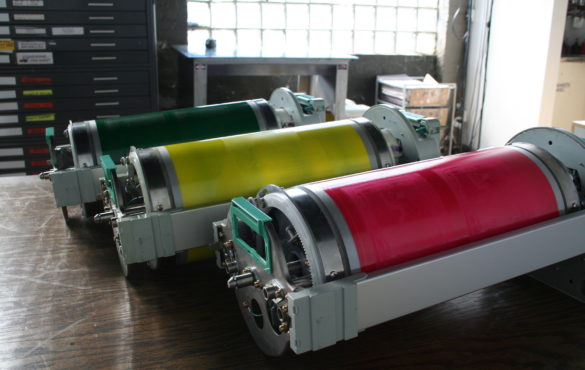
The Risograph is an automated duplicator that efficiently produces multi-color prints with a distinct look and feel. Combining some of the best elements of photocopiers, screenprinting, and offset, risography can be an exciting medium for comic artists, writers, illustrators, designers, book artists, and more. 

Our Risography Explorations class teaches students to work with our machine. Beginning with a multi-color print, students will be introduced to risography techniques and mechanics. From there, they will create their own zine, mini-comic, or broadside to continue exploring the possibilities of the process. Students will also learn a variety of simple book forms that they can use for their independent project. 

Throughout the four weeks, students will learn best practices for designing and creating risograph prints, taking into consideration ink density, drying time, paper selection, and registration. Risograph machines are known for being rather finicky—students will also practice basic maintenance and troubleshooting, including how to change ink, reset and replace the master roll, and fix paper feed issues.

In addition to gaining authorization to print independently at Spudnik Press, students will have access to Open Studios to work on their projects.

July 9 | Letterpress for Poetry (4 Weeks)

What better way to honor a poem than to set it in type by hand?

This four-week workshop brings together the art of writing poetry and the craft of letterpress printing. Students work on original poems and then do what poets couldn’t always do for themselves — set every letter, space every word, and print their work with their own hands on a platen press.

Over four sessions, students will explore the fundamentals of writing short-form poetry alongside the basics of hand-setting metal and wood type, working with inks and paper, and operating a letterpress. Instruction covers composing in a stick, adjusting letter and word spacing, locking up a chase, and printing with consistent impression. The result is a finished, printed broadside or small edition of your own work.

This hands-on class is ideal for poets, writers, and anyone drawn to language as both a literary and physical medium. No prior printmaking or poetry experience is required — only a curiosity about words and how they take shape on a page.

July 11 | Text // Image-Etching + Letterpress (8 Weeks)

Intaglio etching and letterpress printing are two of the oldest printing techniques in the world, both dating back to around the 15th century. Etching, engaging the basic concepts of using resists and acids to create surfaces that are inked and printed, has been employed by artists for hundreds of years to create images, tone, and mark making. Letterpress, utilizing a raised inked matrix (often movable type) and a variety of machines to create consistent prints, revolutionized literacy and the spread of information throughout the last several centuries and is still not only relevant, but a highly sought-after and important method of printing in the modern age. 


Students of all skill levels will learn through this class both the basics of intaglio printing, incorporating the use of resists, acids, and inks to etch lines and tone into copper and produce images, as well as the basics of letterpress, learning the mechanics of the letterpress machine, typesetting, registering, and producing editions. Students will combine these two traditional printing methods to achieve prints that explore layering, language, composition, and image making. Each of the 8 weeks will involve becoming comfortable and knowledgeable in both methods, and will focus on two main projects. Students will be encouraged to work independently between classes. Students completing this class will become authorized to print at Spudnik through our Open Studio program.

July 12 | Experimental Narratives- Riso (4 Weeks)

Since the debut of zine culture and indie publishing in the 1950s and 60s, alternative comics and zines have forever changed the notion of narrative. By introducing visually led dreamlike scenarios, diary comics, fragmented storytelling, and DIY guides, these DIY movements—from punk to queer zines—opened up entirely new ways to share ideas. This entry-level class is perfect for anyone interested in Risograph printing techniques and experimental storytelling, offering a space to develop your printing skills and narrative voice in unison.

In this course, students will learn both digital and analog techniques for printing via the Risograph. You are free to explore any type of story, whether that takes the form of a comic, a pamphlet, a DIY guide, or a review. To inspire new methods of narrative building, we will also read and discuss a variety of local and non-local alternative comic authors. Students will gain authorization to use the Risograph machines after the very first class, and will solidify those technical skills through hands-on printing in the following weeks.