Posts Categorized: Day of Week

September 9 | Multi-color Screenprinting: Jigs, Tabs, and Registration (4 Weeks)

Color changes everything. This class is built for artists ready to take on the precision demands of multi-color printing — some experience is helpful, but not required.

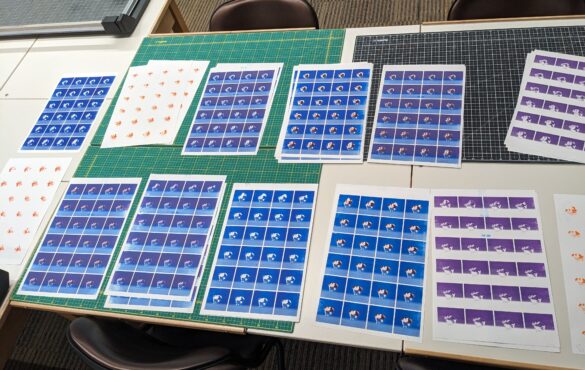
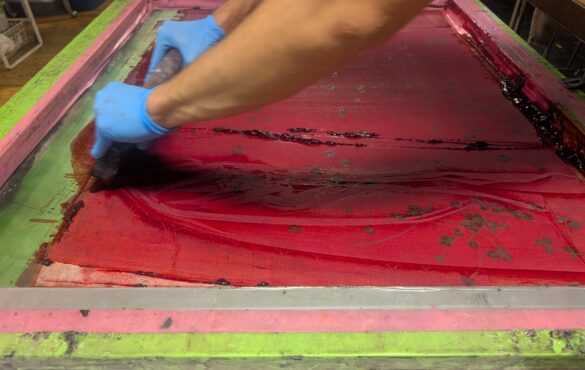
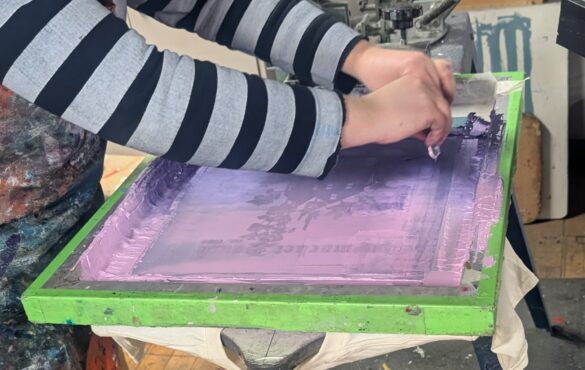
From artwork separation to ink layering, students will work through the full multi-color workflow. Special focus is placed on registration — the make-or-break skill of multi-color printing. Students will get hands-on experience with jigs and registration tabs, learning how to choose the right setup for the job and achieve consistent alignment across every pass.

By the end of this class, students will walk away with a completed multi-color print and the technical foundation to print independently in Open Studio.

September 14 | Risography Explorations (4 Weeks)

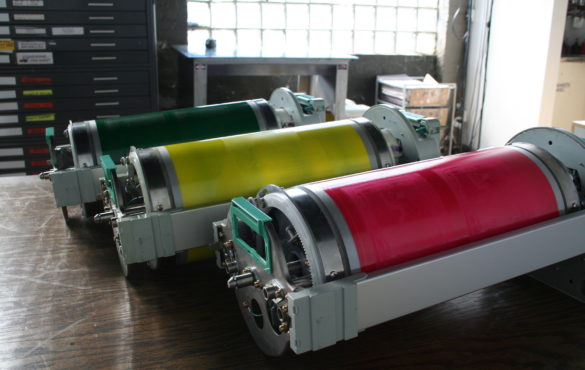
The Risograph is an automated duplicator that efficiently produces multi-color prints with a distinct look and feel. Combining some of the best elements of photocopiers, screenprinting, and offset, risography can be an exciting medium for comic artists, writers, illustrators, designers, book artists, and more. 

Our Risography Explorations class teaches students to work with our machine. Beginning with a multi-color print, students will be introduced to risography techniques and mechanics. From there, they will create their own zine, mini-comic, or broadside to continue exploring the possibilities of the process. Students will also learn a variety of simple book forms that they can use for their independent project. 

Throughout the four weeks, students will learn best practices for designing and creating risograph prints, taking into consideration ink density, drying time, paper selection, and registration. Risograph machines are known for being rather finicky—students will also practice basic maintenance and troubleshooting, including how to change ink, reset and replace the master roll, and fix paper feed issues.

In addition to gaining authorization to print independently at Spudnik Press, students will have access to Open Studios to work on their projects.

September 14 | Intro to Screenprinting (4 Weeks)

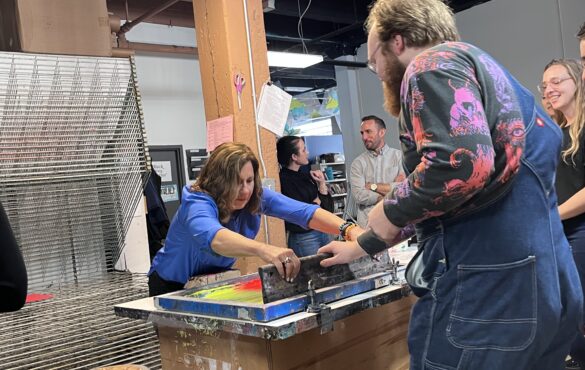
Screenprinting is an art form known for its bold graphics and versatility. It is approachable, yet has many facets to explore and master. This foundational class introduces all the basic skills to get someone new to the process up and running, creating art on both paper and fabric.

A selection of projects will give students the opportunity to produce prints from hand drawings, digital designs, and photographic or found imagery. Students will become familiar with the full process — from selecting the right screen, to darkroom exposure, ink mixing, printing, and reclaiming screens. With support from an experienced printer, students will practice printing and, equally important, troubleshooting.

By the end of this class, students will know their way around the print shop and be authorized to print independently through Spudnik Press’s Open Studio program.

September 17 | Screenprinting Refresher & Authorization (4 Hours)

Note: Experience is required to take this refresher class.

This refresher & authorization workshop welcomes students with previous screenprinting experience who are feeling out-of-practice or fuzzy regarding the finer points of the process, or who have never printed at Spudnik before, and want familiarity with our facilities and offerings. Students should have already completed a one-day workshop or full class, although it need not have been at Spudnik. We also welcome printers that would like support working through a particularly complex project or reoccurring printing issue.

The class will review an assortment of skills such as selecting the best mesh count, applying the perfect coat of photo emulsion, troubleshooting and diagnosing exposure and printing issues, ink mixing, registration, and screen reclamation. Equally as importantly, we will address how to consider these technical factors and limitations when designing a project for printing.

During the workshops, each student will expose a screen, and work with peers to print a two-color image designed to hone nuanced printing skills. Students are welcome to bring specific questions about their next project.

To help build printing confidence at Open Studio sessions, students are invited to return within the week to put their freshly acquired knowledge to use. Through this workshop, students will not only brush up on old skills and become authorized to print at Spudnik, but are sure to walk away with new morsels of useful information regarding the art of screenprinting.

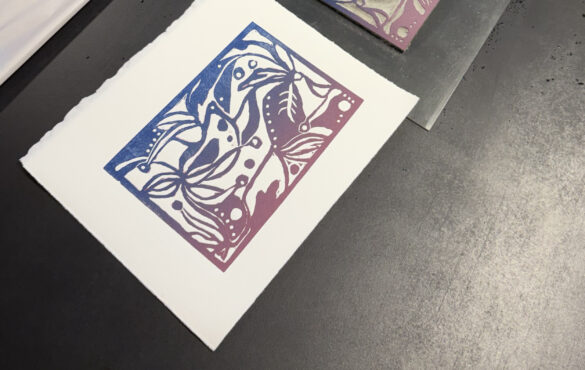
September 18 | Studio Access Training: Relief, Monoprint, Intaglio (2 hours)

Studio Authorization is always required prior to attending your first Open Studio or becoming a Keyholder. Experience is required for all Studio Access Trainings.

Please take some time to read and ensure that you meet the minimum requirements stated below.

This authorization focuses on press safety.

Within relief printmaking, this session will address the basics of block carving with a focus on the tools and resources available at Spudnik Press and how various carving styles or approaches might affect the printing process. While printing with a press will be reviewed in detail, printing by hand will be addressed on request.

Within monoprinting, this session will address using plexiglass as a matrix, working with water- and oil-based pigments, and mark-making and stencil-making tools on site.

Moving to the printing process, this session will address setting pressure, blanket care, registration methods, paper selection, working with wet paper (water baths and damp packs), and drying/flattening prints. Regarding ink, this session with review modifiers, ink care, and cleaning expectations.

For intaglio artists,  the training will focus on personal safety, care and maintenance of tools and supplies, and best practices for working with intaglio printing at Spudnik Press.

As with all our Studio Access Trainings, we will also cover equipment available to check out and press reservation policies.

——————————–

What Are Studio Access Trainings?

Studio Access Trainings ensure that those with have prior experience from school or another print studio will be proficient and confident using the equipment in our studio.


What you can expect:

These sessions are NOT lessons, but specifically for makers who already have thorough experience with similar equipment. 


Minimum Requirements to Become Authorized:

  • Have recent experience with the equipment you would like to use (within 2 years)
  • Have thorough experience with the equipment you would like to use (8-week class or equivalent; Experience required varies based on process and equipment).
  • Be comfortable working independently.
  • Demonstrate safe and clean printmaking or art-making habits.
  • Demonstrate respect to our staff and our equipment.


If you do not meet these requirements, please enroll in a class that includes authorization or schedule a series of private lessons. 


September 20 | Risography 101 (4 Hours)

The Risograph is an automated duplicator from Japan that efficiently produces offset-like prints in a variety of saturated colors. Though not originally intended for artistic application, the machine has gained traction (and notoriety) in small-press culture for its distinctive effects and efficiency—as well as for being rather finicky.

This 4-hour workshop will walk students through the fundamentals of risography for bookmaking and fine art printing. Students will learn techniques and best practices for reproducing imagery, giving consideration to ink density, drying time, paper choices, registration, and patience. Students will become acquainted with the mechanics of the printer and learn basic maintenance, including how to change the master roll and a drum’s ink tube. Everyone will leave with an individually designed two-layer print.

Students will receive risography authorization and an Open Studio coupon, redeemable within the following 30 days. The Open Studio coupon is worth 4 hours of studio time (valued at $40) to work independently and continue what you have learned from the class.

September 21 | Letterpress Posters (4 Hours)

Join us for this fun, social workshop to see what letterpress printing is all about. During this workshop, you’ll be able to design and print your own poster using vintage type and a traditional Vandercook press. The rich, tactile quality of ink pressed into paper will leave an impression.

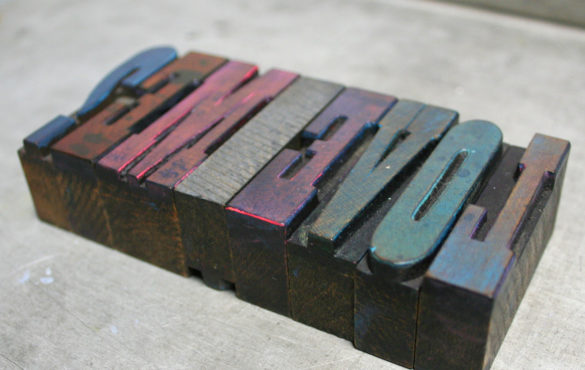
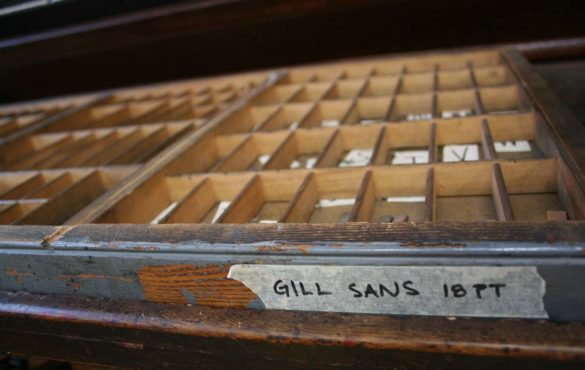
Each attendee will be able to choose from a variety of fonts in our collection. With these fonts, they will learn how to set and print their own short saying, phrase, or statement to create a professional one-of-a-kind poster. Our Teaching Artist will share what moveable type is, how it works, why it’s so special, and how its invention changed the world.

This one-day workshop combines an overview of letterpress printing and its unique history with hands-on making. It is a great way to try out a new craft and find out if you would love to learn the full process.

September 22 | Monotypes & Collographs (6 Weeks)

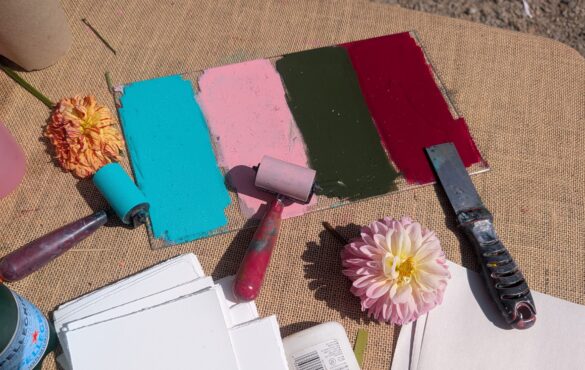
Monotypes & Collographs is a hands-on introduction to two expressive printmaking processes that emphasize texture, gesture, and experimentation. This class is ideal for beginners as well as artists working in painting, drawing, mixed media, or sculpture who want to explore printmaking in an approachable, playful way.

Students will create monotypes by working directly on plexiglass plates using additive and subtractive techniques, layering color, stencils, and ghost prints to build dynamic images. The class also introduces collographs, where textured plates are constructed from found materials and printed in small, varied editions.

Throughout the course, students will make many prints while learning how ink, paper, and pressure shape the final image. By the end of the class, participants will complete a small body of work that combines multiple techniques and reflects their individual style. Students will leave comfortable using the etching press and eligible for studio authorization at Spudnik Press.

September 23 | Intro to Letterpress Printing (8 Weeks)

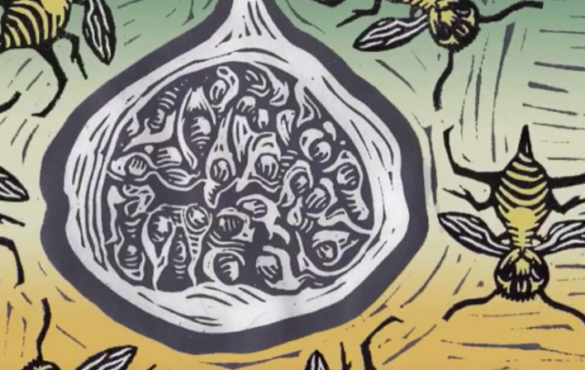
This course is the perfect introduction to letterpress printing. From its creation by Johannes Gutenberg in the mid-15th century until the 19th century, letterpress printing was the norm for printing text. Its use persisted in books and various applications until the late 20th century.

Letterpress printing evolved from simple platen presses, where paper was pressed onto an inked form, producing beautifully imprinted text and images. Over time, the flat platen was replaced by a roller in the flat-bed cylinder press, streamlining the process.

This course is the perfect introduction to letterpress printing, a centuries-old process that shaped the history of printed language. From its invention by Johannes Gutenberg in the 15th century through its continued use into the 20th century, letterpress has remained a powerful and tactile way to print text and images.

Over eight weekly sessions, students will learn the fundamentals of letterpress printing, including hand-setting metal and wood type, understanding inks and paper, and safely operating platen presses. Instruction covers composing with a stick, adjusting letter and word spacing, building type forms, and printing with consistent impression. Students will also learn essential press skills such as locking up in a chase, basic make-ready, registering multiple layers, and proper press cleanup.

This hands-on class is ideal for creatives, designers, writers, and anyone interested in language as a visual and physical medium. No prior printmaking experience is required.

September 27 | Bookbinding 101 (4 Hours)

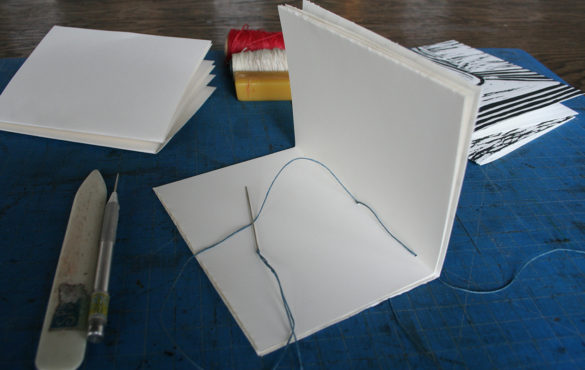
This workshop focuses on styles of bookbinding that are low-cost yet dynamic, and well suited for poetry chapbooks and portfolio books. Students will learn how to choose materials and create simple book structures that best highlight the content within their book.

The lessons will address the logistics of organizing book forms and explore the book as a vessel for information, and how material choices can inform how the book is read. While the workshop will create blank books, each style of binding will begin with standard 8.5” x 11” paper to allow your content to be easily printed from a common inkjet or laser printer.

September 28 | Letterpress for Poetry (4 Weeks)

What better way to honor a poem than to set it in type by hand?

This four-week workshop brings together the art of writing poetry and the craft of letterpress printing. Students work on original poems and then do what poets couldn’t always do for themselves — set every letter, space every word, and print their work with their own hands on a platen press.

Over four sessions, students will explore the fundamentals of writing short-form poetry alongside the basics of hand-setting metal and wood type, working with inks and paper, and operating a letterpress. Instruction covers composing in a stick, adjusting letter and word spacing, locking up a chase, and printing with consistent impression. The result is a finished, printed broadside or small edition of your own work.

This hands-on class is ideal for poets, writers, and anyone drawn to language as both a literary and physical medium. No prior printmaking or poetry experience is required — only a curiosity about words and how they take shape on a page.

Note: these sessions are 4 hours each.

October 3 | Family Screenprinting: Screenpainting (2 Hours)

Explore screenprinting with your family through one of its most improvisational and expressive techniques: screenpainting. Using dry pigments or watercolor paints applied directly to the screen, participants will collaborate to create bold, unexpected marks and textures not typically associated with traditional screenprinting.

All materials and instruction are provided, making it easy to jump in and experiment. Families will produce a series of monoprints and ghost prints that can stand alone or serve as a base for further refinement. No computers required—just hands-on making and creative play.

Each registration includes up to four participants of all ages. You’re welcome to attend with the people you consider family. So bring the people closest to you and enjoy creating together.